Episode 74: U.S. isn’t ready for NSTIC
22 April, 2011
category: Digital ID, Government
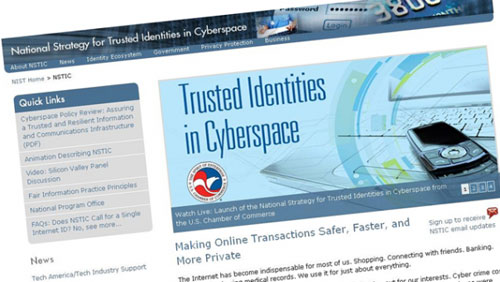
 The National Strategy for Trusted Identities in Cyberspace has been released and there are some differing opinions on whether it’s a good or a bad thing. In the first in a series of podcasts exploring the strategy, Jim Harper, director of Information Policy Studies at the Cato Institute, doesn’t think it’s a good idea. The author of Identity Crisis: How Identification Is Overused and Misunderstood says that any online identity scheme needs to come from the private sector with no government involvement.
 iTunes |
 Aggregator |
 m4a |
mp3 |