Online and Digital Identification, Securing Web 2.0, PKI and Digital Certificates

Episode 75: NSTIC: It's all in the implementation

Tuesday, April 26, 2011

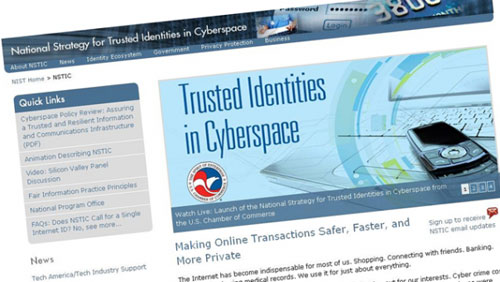
The National Strategy for Trusted Identities in Cyberspace has lofty goals but as always the devil is in the details. If implemented correctly the strategy is a good thing, though this won’t be easy.

“It is a utopian document,” says Aaron Titus, chief privacy officer and vice president of business development at Identity Finder. “Hating NSTIC, in it’s current form, is like hating puppies and rainbows because it just about says anything that anyone would want. My concern is in the implementation, there’s a lot that can go wrong.”

In our continuing series, Titus fills listeners in on some of the potential pitfalls and what officials need to watch out for when it comes to putting the strategy into practice.



iTunes

Aggregator

m4a

mp3

Older podcasts. [end] 

There are a handful of drivers for adding biometric technology to mobile devices, says Alan Goode, founder of Goode Intelligence and author of “Mobile Phone Biometric Security Analysis and Forecasts 2011-2015.” Many mobile phones are easy to break into, enterprises are enabling users to use their own mobile phones and NFC payments may require additional security. Goode predicts that mobile phone biometric security products and services generated more than $30 million in 2011 and that the market will grow to over $161 million in revenue by 2015.

read more »

NIST not releasing names

Twenty-seven finalists for grants that would pilot portions of the identity ecosystem for the National Strategy for Trusted Identities in Cyberspace have been notified.

read more »

When buying a six-pack of beer it makes sense that an individual confirms that they are at least 21-years-old. But when the consumer shows a clerk the government-issued ID they are giving up address, date of birth and other information as well. In a perfect world the clerk would only see the age.

read more »

The National Institute of Standards and Technology announced that it will support a steering group for the National Strategy for Trusted Identities in Cyberspace with $2 million in funding for up to two years to provide the group with ongoing secretarial, administrative and logistical support.

read more »

Be first to comment...
Comment on this article

Your full name and URL will be displayed with your comment.

Your email is not shown or shared, and is used only for your Gravatar image.


characters left.